Lima isn't just a capital city; it's a vibrant, ever-evolving culinary universe. If you're looking for Limas Authentic Peruvian Restaurants, you're about to embark on a flavor journey unlike any other. This coastal metropolis has ascended to the pinnacle of global gastronomy, seamlessly blending ancestral ingredients with innovative techniques, creating a dining scene that’s both deeply rooted and exhilaratingly cutting-edge.
This guide cuts through the noise, offering an insider's look at where to find those unforgettable Peruvian tastes, from the world-renowned trailblazers to the beloved local haunts. Prepare to discover the true heart of Lima's food culture.
At a Glance: Your Lima Dining Cheat Sheet
- Diverse Flavors: Peruvian cuisine is a rich tapestry of Indigenous, Spanish, African, Chinese, and Japanese influences.
- Book Ahead: For top-ranked restaurants like Maido or Central, reservations are essential and often need to be made months in advance.
- Iconic Dishes: Don't leave without trying ceviche, lomo saltado, ají de gallina, and pisco sour.
- Beyond Fine Dining: Lima offers fantastic traditional taverns and casual seafood spots alongside its world-class establishments.
- Nikkei & Andean Focus: Experience both the delicate fusion of Japanese-Peruvian cuisine (Nikkei) and dishes celebrating diverse Andean ecosystems.
- Explore Neighborhoods: Each area, from bohemian Barranco to upscale San Isidro, has its own unique culinary vibe.
Why Lima is a Global Gastronomic Powerhouse
Lima’s rise as a culinary titan is no accident. It’s the culmination of centuries of cultural fusion, a natural bounty of ingredients, and an unwavering passion for food that permeates every facet of life. Picture a culinary landscape where the Pacific Ocean’s freshest catch meets the exotic produce of the Amazon and the hearty staples of the Andes. This unique geographical advantage, combined with a history of immigration, has forged a cuisine that’s incredibly diverse and endlessly exciting.
Chefs like Virgilio Martínez, Pía León, and Mitsuharu Tsumura aren't just cooking; they're narrating Peru's story through food, pushing boundaries while honoring traditions. This dynamic interplay between innovation and heritage is precisely why Lima continues to captivate palates worldwide.
Decoding Peruvian Flavors: A Quick Glossary for the Curious Diner
Before we dive into the best tables, let's get a handle on some essential Peruvian terms that will enrich your dining experience. Understanding these will help you appreciate the depth of flavor you're about to encounter.
- Peruvian Cuisine: More than just a collection of recipes, it's a vibrant fusion. Imagine Indigenous ingredients and culinary techniques beautifully intertwined with Spanish, African, Chinese, and Japanese influences. It’s a true melting pot on a plate.
- Ceviche: Peru’s undisputed national dish. This iconic preparation typically features raw fish or seafood "cooked" in the acidic bath of citrus juices, often lime, mixed with chilies, onions, and cilantro. It's a symphony of fresh, bright flavors.
- Nikkei Cuisine: A bold and brilliant culinary fusion. It emerged when Japanese immigrants arrived in Peru in the late 19th century, bringing their meticulous techniques and precision. They combined this with Peru's vibrant pantry—think lime, ají (chili), corn, and fresh seafood—to create dishes that are bright, umami-rich, and utterly unique.
- Pisco Sour: The smoky, refreshing signature cocktail of Peru. Made with pisco (a grape brandy), lime juice, simple syrup, egg white, and a dash of Angostura bitters, it’s the perfect start or end to any Peruvian meal.
- Leche de Tigre: Literally "tiger's milk," this is the citrus-based marinade that cures the fish in ceviche. Often served as a shot, it’s considered an aphrodisiac and a divine elixir, packed with intense, invigorating flavor.
The Vanguard: Lima's World-Class Innovators
These are the restaurants that have put Lima on the global culinary map, earning top spots on international "best of" lists. They represent the pinnacle of Peruvian innovation, pushing the boundaries of what's possible with native ingredients. Be warned: securing a table at these establishments often requires planning months in advance.
Maido: The Apex of Nikkei Artistry
Currently ranked Number 1 on the World's 50 Best Restaurants list, Maido is more than a restaurant; it’s a pilgrimage for food lovers. Helmed by the visionary Chef Mitsuharu “Micha” Tsumura, it stands as the crown jewel of Nikkei cuisine. Here, Japanese precision meets Peruvian exuberance, creating a symphony of flavors that constantly surprises and delights.
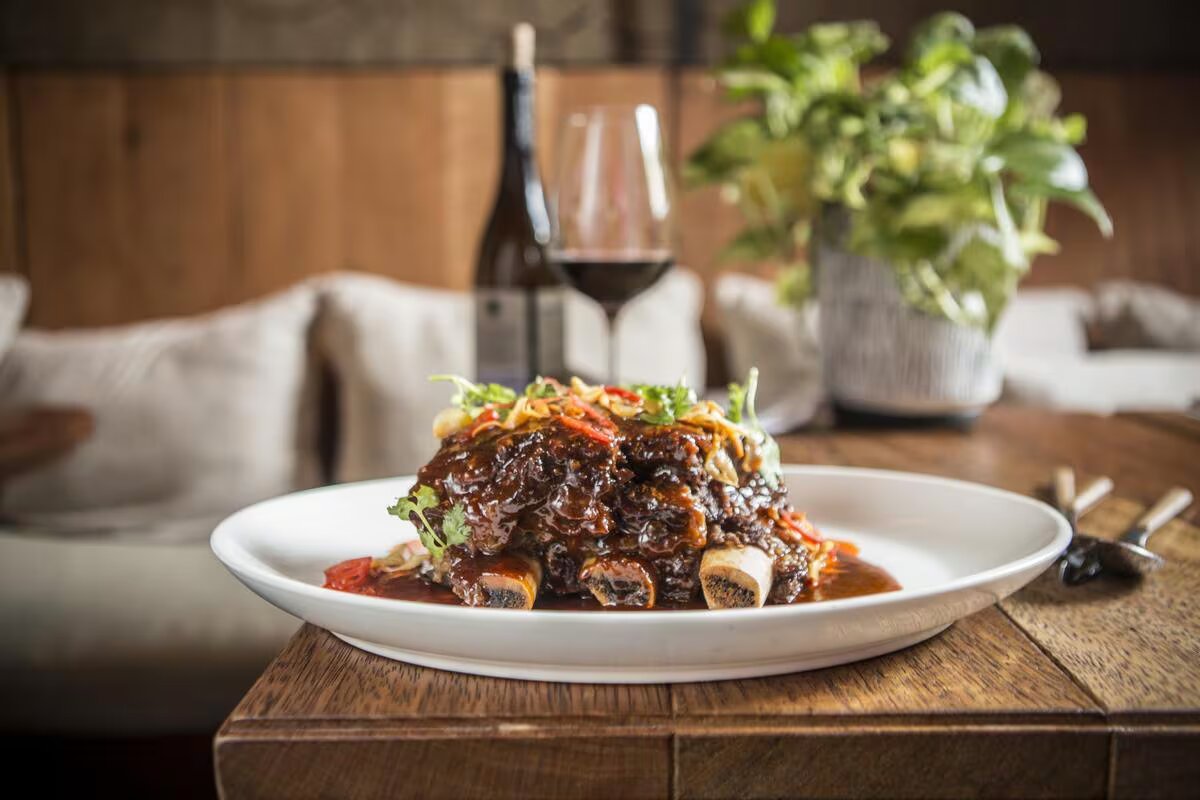
Imagine nigiri infused with Amazonian paiche or the subtle heat of ají amarillo. Their signature 50-hour short rib is a testament to meticulous preparation, melting in your mouth with incredible depth of flavor. The service at Maido is flawless, attentive, yet wonderfully unpretentious, making for an experience that is both luxurious and genuinely welcoming. You'll leave understanding exactly why this place is celebrated worldwide.
Central: A Journey Through Peruvian Ecosystems
Led by the brilliant Chef Virgilio Martínez and Pía León, Central isn’t just a meal; it's an edible exploration of Peru's diverse landscapes. The restaurant crafts dishes that represent different altitudes and terrains, from the abundant sea level to the sparse 4,100 meters in the Andes.
Their menu reads like a scientific field guide, introducing you to obscure ingredients like high jungle tubers, Amazonian freshwater fish, altiplano roots, and even edible clay. Each dish is a carefully composed work of art, presented with a design museum aesthetic that’s as captivating as the flavors themselves. Dining here is a profound immersion into the biodiversity of Peru, an educational and utterly delicious experience.
Kjolle: Pía León's Vibrant Expression
Chef Pía León, who also co-helms Central, has created her own distinct culinary canvas at Kjolle. This restaurant focuses intently on seasonal produce and native ingredients, showcasing them in bold, vibrant plates. You might encounter ingredients like cushuro (high-altitude algae), cacao from the Amazon, diverse tubers, and the freshest coastal seafood.
Kjolle strikes a beautiful balance between creativity and accessibility. The dishes are stunningly presented, bursting with color and flavor, yet always feel approachable and delightful. The airy, modern design of the space complements the fresh, inventive spirit of the food, making it an uplifting and memorable dining experience.
Mérito: Inventive, Ingredient-Forward Excellence
Nestled in Barranco, Mérito is an inventive, ingredient-forward restaurant that has quickly garnered acclaim for its compact yet incredibly creative menu. Chefs Juan Luis Martinez and José Luis Chavez—both Venezuelan—bring a unique perspective, celebrating Peruvian ingredients with subtle twists.
Highlights here often include delicate arepas made with Andean corn, generously topped with creamy Amazonian cheese, or glazed sweet potato gnocchi bathed in a smoky Peruvian pepper sauce. Their commitment to precisely sourced ingredients shines through every dish. The space itself, with its minimal, stylish open kitchen, invites you to witness the culinary artistry firsthand.
Mayta: A Soulful Exploration of Modern Peruvian
Mayta, led by the acclaimed Chef Jaime Pesaque, stands as one of Latin America’s top-ranked restaurants, offering a soulful exploration of modern Peruvian cuisine. If you’re truly looking to experience the breadth of Peru’s flavors, their 10-course tasting menu is the recommended journey. It eloquently traverses Peru's diverse regions—from the rich coast to the rugged highlands and the lush Amazon.
Beyond the food, Mayta is particularly notable for its exceptional pisco cocktails. Crafted with care and creativity, they are the perfect accompaniment to the culinary adventure, enhancing the overall sensory experience.
Astrid y Gastón: The Enduring Icon
Founded in 1994 by the legendary Chef Gastón Acurio, Astrid y Gastón is an iconic San Isidro establishment that masterfully balances tradition and innovation. Acurio is often credited with spearheading the modern Peruvian culinary boom, and his flagship restaurant continues to deliver.
The dining experience here is luxurious yet approachable, set within a refined ambiance that includes a charming garden patio. Expect artfully plated ceviche de tiradito, inventive corn-based starters that showcase the versatility of the grain, and perfectly cooked meats and seafood. It’s a timeless testament to Peruvian gastronomy, offering elegance without pretension.
Finding Lima's Soul: Traditional Tabernas & Neighborhood Gems
While Lima boasts world-class fine dining, its true heart beats in the bustling tabernas and casual eateries where traditional flavors reign supreme. These are the places for hearty portions, authentic atmosphere, and a taste of everyday Peruvian life.
Isolina Taberna Peruana: Comfort Food at Its Best
Located in the bohemian district of Barranco, Isolina Taberna Peruana, run by Chef José del Castillo, is a beloved institution. This restaurant is all about honest, hearty Peruvian comfort food served in generous portions. Stepping inside, you’re enveloped in a cozy, bustling tavern setting that feels instantly authentic.
The menu is a celebration of classic, robust dishes. You’ll find massive pan con chicharrón (pork belly sandwiches), flavorful lomo saltado (stir-fried beef), and gooey causa limeña (layered potato dish). For the adventurous, traditional offal dishes like cau cau (tripe stew) and beef brain tortillas are served with pride, offering a true taste of Lima's culinary heritage. This is where to eat lomo saltado in a truly authentic setting.
Canta Rana: Barranco's Seafood Haven
For an authentic, soulful seafood experience in Barranco, look no further than Canta Rana. This casual, friendly spot is a local favorite, known for its incredibly fresh ingredients and traditional preparations. The ceviche here is a particular standout, praised for its pristine flavors and adherence to classic techniques. It's truly among Limas finest traditional ceviche.
The decor at Canta Rana is vibrant and eclectic, setting a perfect tone for communal dining and embodying a genuine sense of local life. Expect lively chatter, swift service, and plates piled high with the ocean's bounty. It’s a quintessential Lima experience for seafood lovers.
Beyond the Classics: Modern Takes & Hidden Treasures
Lima’s culinary scene isn't just about the established giants or the traditional haunts. There's a thriving ecosystem of restaurants pushing creative boundaries, offering unique dining experiences, and exploring new facets of Peruvian and fusion cuisine.
Rafael: Elegant Eclecticism with a Seafood Focus
Debuted in 2000, Rafael, helmed by Le Cordon Bleu-trained Chef Rafael Osterling, is a vibrant, seafood-first eatery that strikes a beautiful balance between elegance and approachability. Recognized in Latin America’s 50 Best, Rafael is celebrated for its energetic and eclectic spin on native cuisine.
The restaurant is known for its top-tier ingredients, well-balanced tasting portions, and particularly for its standout chilcanos—a refreshing ginger ale-based cocktail, often made with pisco. Dining here offers a sophisticated yet lively experience, perfect for those seeking refined flavors with a Peruvian soul.
Clon: Lima's Newest Culinary Frontier
Clon is one of Lima’s newest and most experimental restaurants, led by the dynamic duo of Chefs Rodrigo Alzamora and Rodrigo Mendoza. This spot thrives on creativity, offering a seasonal menu that is constantly evolving and surprising. You might encounter dishes like fermented Amazonian fruit, rich smoked butter, and fascinating native corn variations.
What truly sets Clon apart is its approach: there is no à la carte menu. Diners are encouraged to place their trust entirely in the kitchen's lead, embarking on a multi-course journey designed by the chefs. It's an exciting, adventurous experience for those eager to taste the future of Peruvian cuisine.
Osaka: The Global Heart of Nikkei
While it has outposts in Dubai, Madrid, and Chicago, Osaka's Lima locations are considered the spiritual heart of the brand. This prominent destination for Nikkei cuisine exemplifies the delicate balance and intricate flavors that define this fusion.
The menu is a celebration of harmony, featuring delicate sashimi enhanced with ají amarillo, perfectly miso-glazed meats, and maki rolls ingeniously incorporating native Peruvian flavors like rocoto and quinoa. Osaka offers a sophisticated yet accessible gateway into the world of Japanese-Peruvian culinary artistry.
Siete: Eclectic Global Flavors with a Peruvian Foundation
Siete offers an eclectic, ingredient-driven experience, skillfully weaving Mediterranean and Asian influences through a robust foundation of Peruvian flavors. Dishes here are designed for sharing, encouraging a communal and exploratory dining experience.
Imagine razor clams tiradito with bright ginger and vermouth, rich duck ragù pappardelle, or silky pumpkin ravioli. Beyond the main courses, Siete is also known for its exquisite cheesecake, a strong cocktail program that includes creative variations of the pisco sour, and a thoughtfully curated wine list that complements its diverse menu.
Tomo: Subtle Brilliance, Pure Flavors
Led by Chef Toshi Nakamura, Tomo is a discreet restaurant that delivers a thoughtful, quietly brilliant meal. It's characterized by clean technique and bold, ingredient-driven cooking. The menu is firmly rooted in Peruvian flavors, yet it incorporates subtle Asian nods, reflecting a refined approach to fusion.
Expect expertly grilled octopus with a perfect char, smoky rice dishes that captivate the palate, and delicate, nuanced broths. Tomo offers a modern, welcoming space with an open kitchen, allowing diners to appreciate the artistry behind each dish. It’s a place for those who appreciate precision and purity of flavor.
Navigating Lima's Dining Scene: Practical Tips for the Savvy Traveler
Now that you know where to eat, let’s cover the how. Lima’s dining culture, especially at its higher echelons, has its own rhythm.
Reservation Essentials
We can't stress this enough: for Maido, Central, Kjolle, Mérito, Mayta, and Astrid y Gastón, book your reservations months in advance. Seriously, "months" is not an exaggeration. Use online reservation platforms (like TheFork or direct restaurant websites) as soon as your travel dates are firm. For less formal spots like Isolina or Canta Rana, walk-ins are usually fine, though you might encounter a wait during peak lunch or dinner hours.
Dress Code: From Casual to Chic
Lima's dining scene ranges widely. At places like Maido or Central, smart casual to business casual is appropriate – think collared shirts and nice trousers for men, elegant dresses or blouses with skirts/trousers for women. You don't need black tie, but looking polished is appreciated. For Isolina, Canta Rana, or even Osaka, smart casual or even casual attire is perfectly acceptable. When in doubt, err on the side of slightly dressier.
Dietary Restrictions: Plan Ahead
Peruvian cuisine relies heavily on seafood, meat, and specific spices (like ají Amarillo, which is usually mild but present). If you have serious allergies (gluten, dairy, nuts, shellfish), it’s crucial to inform the restaurant when booking your reservation and reiterate it upon arrival. Most high-end restaurants are adept at handling restrictions, but smaller, more traditional places might have limited options. Learning a few basic Spanish phrases for your allergies can be very helpful.
Tipping Etiquette
Tipping in Peru is customary. At nicer restaurants, a 10% tip is standard for good service. You can round up or add a bit more for exceptional service. For more casual eateries, rounding up the bill or leaving a small amount of change is common. Service charges are sometimes included (especially at higher-end spots), but it's always good to check your bill and still leave a little extra if you're pleased.
When to Visit: Embrace the Culinary Calendar
Lima’s culinary scene is vibrant year-round. However, if you're interested in specific food festivals or events, research the calendar. Mistura, Peru’s largest food festival, was a major draw, though its format has changed over the years. Look for smaller, localized food fairs or chef collaborations that often pop up throughout the year. The weather in Lima is generally mild, making any time a good time for eating.
Exploring Neighborhoods: Each with its Own Flavor
- Miraflores: Home to many fine dining establishments (like Rafael and Osaka) and upscale hotels. It’s polished, modern, and offers stunning ocean views.
- San Isidro: Another affluent district, featuring Astrid y Gastón and many business-oriented restaurants. It’s more formal and refined.
- Barranco: The bohemian, artistic heart of Lima, where you’ll find Mérito, Isolina, and Canta Rana. It's vibrant, lively, and offers a mix of casual and upscale dining, perfect for exploring on foot.
What to Order: A Deeper Dive Into Must-Try Peruvian Dishes
Beyond the ubiquitous ceviche, Lima offers a treasure trove of flavors. Expand your culinary horizons with these essentials:
- Lomo Saltado: A classic Chinese-Peruvian (Chifa) fusion dish, featuring tender strips of beef stir-fried with onions, tomatoes, and ají amarillo, typically served with french fries and rice. It's hearty, savory, and incredibly satisfying.
- Ají de Gallina: A creamy, comforting chicken stew made with shredded chicken in a rich sauce of ají amarillo, cheese, and walnuts, often served with rice and a boiled egg. It's pure Peruvian comfort.
- Causa Limeña: A vibrant layered potato dish. Mashed yellow potatoes, seasoned with lime and ají amarillo, form the base, often filled with tuna, chicken, or seafood salad, and decorated with avocado and egg. It’s as beautiful as it is delicious.
- Anticuchos: Skewers of marinated beef heart, grilled over charcoal. Don't let the "beef heart" deter you; these street food staples are incredibly tender, flavorful, and a true taste of Lima.
- Arroz con Pato: A classic, hearty dish of duck and rice, often cooked with cilantro, dark beer, and various vegetables. It's rich, aromatic, and deeply satisfying.
- Tiradito: A Peruvian-Japanese sashimi-style dish, thinly sliced raw fish bathed in a spicy, vibrant sauce, often featuring ají amarillo or rocoto. It's a testament to the Nikkei influence and a delicate alternative to ceviche.
Debunking "Authenticity": A Spectrum of Flavor
When we talk about "Limas Authentic Peruvian Restaurants", it's important to understand that "authenticity" isn't a single, rigid definition. Peruvian cuisine itself is a fusion, constantly evolving.
- Traditional Authenticity: This is what you find at places like Isolina or Canta Rana – generational recipes, hearty portions, and a focus on beloved classics. It's the taste of home and heritage.
- Innovative Authenticity: Restaurants like Central, Maido, or Kjolle offer a different kind of authenticity. They are authentic to the spirit of Peruvian ingredients and culinary innovation, telling Peru's story through modern techniques and avant-garde presentations. They are authentic to the future of Peruvian food.
Both are valid, both are delicious, and both offer a profound connection to Peruvian culture. The beauty of Lima is that you can experience the full spectrum within a single trip.
Beyond the Plate: Embracing the Full Peruvian Experience
Food in Lima is never just about what's on the plate; it's about the entire cultural immersion.
- Pisco Sours and Chilcanos: These cocktails are an integral part of the dining experience. Take time to savor them, perhaps even visiting a dedicated pisco bar. Many restaurants pride themselves on their mixology, so don't hesitate to ask for recommendations.
- Market Visits: For a truly immersive experience, visit one of Lima's bustling food markets like Mercado de Surquillo No. 1 or Mercado Central. Witness the incredible array of fresh produce, exotic fruits, and vibrant spices that fuel Lima’s kitchens. It’s a sensory overload in the best possible way and provides context for the dishes you’ll be enjoying.
- The Pace of Dining: Meals in Lima, especially dinner, are often extended affairs. Take your time, enjoy the conversation, and savor each course. It's part of the relaxed, convivial culture.
Lima's culinary scene is a journey of discovery, a testament to its rich history, diverse geography, and boundless creativity. Whether you're seeking the avant-garde artistry of a tasting menu or the soulful comfort of a traditional taberna, this city delivers. So pack your appetite and prepare for an unforgettable adventure. Your table in Lima awaits.