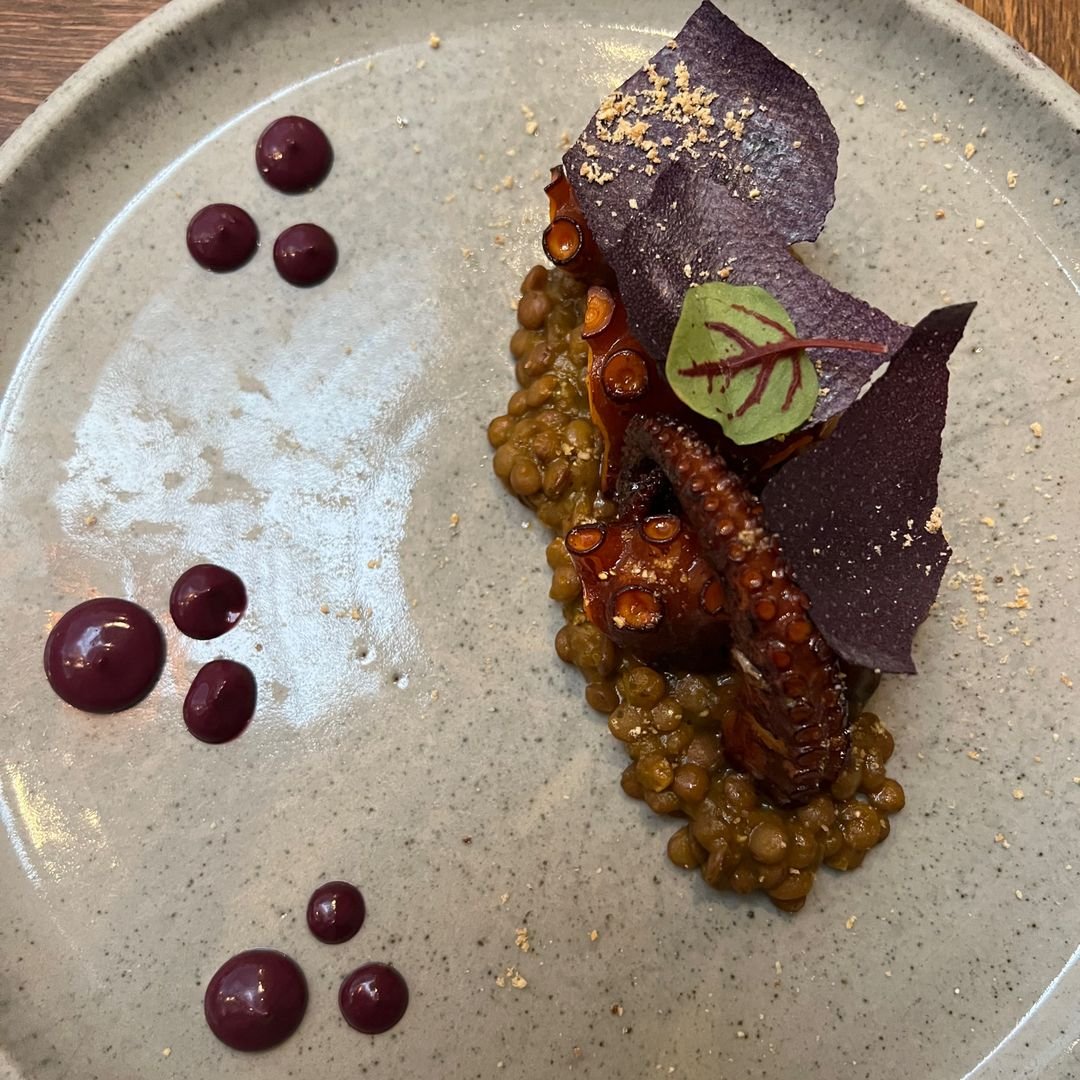
For many discerning travelers, the pursuit of truly authentic Peruvian cuisine restaurants in Lima is the cornerstone of their visit. Lima, a city often hailed as the gastronomic capital of South America, presents an exhilarating, yet sometimes overwhelming, culinary landscape. Beyond the global accolades and celebrity chef names, discovering where locals genuinely eat—and what they truly value—is the key to unlocking the city's profound food story. This isn't just about finding a good meal; it's about connecting with centuries of culinary evolution, from Indigenous traditions to the pivotal influences of Spanish, African, Chinese (Chifa), and Japanese (Nikkei) immigrants who shaped Peru's vibrant food identity.
At a Glance: Crafting Your Authentic Lima Food Experience
- Understand Lima's "Authenticity Spectrum": From time-honored traditional tabernas to innovative high-end expressions and ingrained fusion styles, authenticity isn't a single definition.
- Prioritize Reservations Strategically: World-ranked establishments often require bookings months in advance; casual local favorites are more spontaneous.
- Look Beyond the Hype: While top restaurants are phenomenal, many equally authentic experiences thrive in less heralded spots.
- Embrace Diverse Flavors: Explore iconic dishes like ceviche and lomo saltado, but also dive into regional specialties, Nikkei creations, and hearty comfort food.
- Consider Timing and Ambiance: Align your dining choice with the experience you seek, whether a bustling lunchtime cebichería or an intimate tasting menu dinner.
- Go Deep on Ingredients: Many chefs champion native Peruvian ingredients, offering a unique taste of the country's biodiversity.
The Evolving Definition of Authentic Peruvian Cuisine in Lima
The concept of "authentic" in Peruvian cuisine is wonderfully fluid, reflecting a history of adaptation and innovation. It's not merely about replicating age-old recipes but also about the integrity of ingredients, the respect for culinary heritage, and the ongoing dialogue between tradition and modernity.
The Pillars of Tradition: Hearty Comfort and Classic Techniques
For many Limeños, authenticity resides in the familiar tastes of home-style cooking and the time-honored dishes served in traditional eateries. These are the places that have perfected lomo saltado, ají de gallina, causa limeña, and the bold flavors of anticuchos. They often emphasize generous portions and a warm, bustling atmosphere where food is a communal experience.
- Isolina Taberna Peruana in Barranco stands as a prime example. It’s celebrated for its honest, hearty Peruvian comfort food. Here, you'll find impeccably prepared classics, including traditional offal dishes and generous plates that evoke grandma's cooking. The vibe is cozy and bustling, a true tavern experience.
- For classic, no-frills seafood, Canta Rana, also in Barranco, delivers. It’s a local institution, praised for its fresh, traditional ceviche and other seaside favorites, reflecting a deeply ingrained part of Lima's culinary identity.
The Modern Masters: Elevating Native Ingredients and Regional Flavors
Another facet of authenticity lies with chefs who meticulously explore Peru's vast biodiversity, bringing obscure native ingredients to the forefront and reinterpreting traditional flavors with contemporary techniques. Their dishes tell stories of Peru's diverse ecosystems, from the Amazon to the Andes and the Pacific coast.
- Central, led by Chef Virgilio Martínez and Pía León, is a testament to this. Each dish on their renowned tasting menu represents a specific altitude and terrain, showcasing ingredients like high jungle tubers, Amazonian freshwater fish, and altiplano roots. It’s an immersive journey through Peru's ecosystems, presented with artistic flair.
- Right next door, Kjolle, helmed by Pía León, similarly champions seasonal produce and native ingredients such as cushuro (high-altitude algae) and various tubers and coastal seafood. The plates are bold and vibrant, striking a balance between fine dining and approachability.
- Mayta, under Chef Jaime Pesaque, offers a deep exploration of modern Peruvian cuisine, with a recommended 10-course tasting menu that journeys across Peru’s regions. It's recognized as a top-ranked restaurant in Latin America, celebrated for its thoughtful interpretations and excellent pisco cocktails.
- Mérito focuses on inventive, ingredient-forward dishes that often feature creative combinations, such as arepas with Andean corn and Amazonian cheese. The open kitchen and stylish, minimalist space reflect a commitment to both transparency and sophistication.
Fusion as Authenticity: The Nikkei and Chifa Legacy
Peru's culinary identity is profoundly shaped by its immigrant communities. The fusion of Japanese and Peruvian flavors (Nikkei) and Chinese and Peruvian flavors (Chifa) are not mere trends; they are centuries-old traditions that have become integral to authentic Peruvian cuisine.
- Maido, currently ranked number one on the World’s 50 Best Restaurants list, showcases Nikkei cuisine at its pinnacle. Chef Mitsuharu “Micha” Tsumura's creations blend Japanese precision with Peruvian ingredients, yielding dishes like nigiri with Amazonian components and a 50-hour short rib. This is not fusion as novelty, but fusion as a deeply rooted cultural expression.
- Osaka is another go-to destination for Nikkei cuisine, featuring sashimi with ají amarillo and maki rolls infused with native flavors like rocoto and quinoa. It beautifully illustrates how Japanese techniques adapted to Peru's pantry have created a unique and authentic culinary style.
The Avant-Garde: New Expressions of Peruvian Spirit
A newer wave of chefs in Lima continues to push boundaries, experimenting with ingredients, textures, and presentations. While bold and experimental, their cuisine remains rooted in Peruvian spirit, often highlighting seasonality and indigenous produce in unexpected ways.
- Clon, one of Lima’s newest spots, exemplifies this playful and experimental approach. Chefs Rodrigo Alzamora and Rodrigo Mendoza offer a "trust-the-kitchen" experience with no à la carte menu, focusing on seasonal ingredients like fermented Amazonian fruit and grilled seafood with surprising textures.
- Siete presents an eclectic, ingredient-driven menu with Mediterranean and Asian influences, but always with a strong Peruvian backbone. Dishes like razor clams tiradito with ginger or duck ragù pappardelle are vibrant and designed for sharing, showcasing a modern, global palate rooted in local bounty.
- Tomo, led by Chef Toshi Nakamura, offers clean technique and bold, ingredient-driven cooking. While subtle Asian influences are present, the core is Peruvian, with expertly grilled octopus and smoky rice dishes meant for sharing in a modern, welcoming space.
Deciphering the Menu: What to Order for a True Taste of Tradition
Knowing what to look for on a menu can guide you toward the most authentic experiences. Here's a quick guide to essential Peruvian dishes and where the ground research suggests you'll find exceptional versions:
- Ceviche: Peru's national dish, a vibrant mix of fresh raw fish marinated in leche de tigre (lime juice, aj��, onion).
- Traditional: Canta Rana is a local favorite for its classic, robust ceviche.
- Elevated/Artful: Astrid y Gastón offers artfully plated ceviche de tiradito.
- Nikkei Twist: Maido presents innovative, Japanese-influenced ceviche interpretations.
- Anticuchos: Skewered and grilled beef heart, a flavorful street food classic.
- Hearty & Authentic: Isolina Taberna Peruana is known for its traditional offal dishes, including these.
- Lomo Saltado: A beloved stir-fry of beef, onions, tomatoes, and ají amarillo, typically served with rice and fries.
- Comfort Food Perfected: Isolina Taberna Peruana offers generous, delicious portions of this staple.
- Ají de Gallina: Shredded chicken in a creamy, mildly spicy yellow ají sauce, often served with rice, olives, and a hard-boiled egg.
- Classic Preparation: While not specifically highlighted for ají de gallina, any traditional taberna like Isolina would offer an authentic version.
- Nikkei Specialties: Dishes reflecting the Japanese-Peruvian fusion, from specific nigiri to creative rolls and miso-glazed meats.
- Pinnacle: Maido for its unparalleled Nikkei tasting menu.
- Excellent & Diverse: Osaka for a range of sashimi, maki, and fusion dishes.
- Dishes featuring native ingredients (tubers, cushuro, Amazonian fish):
- Experiential: Central and Kjolle are the masters of showcasing Peru's diverse ecosystems through obscure indigenous ingredients.
- Inventive: Mayta and Mérito also feature modern Peruvian cuisine with a strong emphasis on regional and native produce.
Navigating the Hype: Practicalities for Dining in Lima
Lima’s culinary scene is globally renowned, meaning some of its most acclaimed restaurants operate with a level of demand similar to top dining destinations worldwide. Planning is crucial.
The Reservation Imperative
For world-ranked restaurants, the advice is clear and non-negotiable: book your table when you book your flights. Many establishments, particularly those on the World’s 50 Best lists, have waiting lists that stretch months into the future.
- Book Months in Advance: Maido, Central, Kjolle are in high demand. Securing a reservation requires foresight and persistence.
- Highly Recommended to Book Weeks Ahead: Mayta, Mérito, Astrid y Gastón, Rafael, Clon, Siete, Tomo are also very popular and booking ahead will ensure you get a table, especially for dinner or weekend lunches.
- Walk-ins Possible, but be Early/Flexible: For more casual, traditional spots like Isolina Taberna Peruana or Canta Rana, walk-ins are generally possible, but arriving early for lunch or dinner, or being prepared for a short wait, is advisable. These spots are often bustling and part of their charm is the lively atmosphere.
Ambiance and Experience
Beyond the food, the setting contributes significantly to an authentic experience. Lima’s restaurants offer a range of atmospheres to suit every preference:
- Fine Dining & Artful: Central evokes a design museum with its aesthetics; Kjolle offers vibrant plates in a refined setting.
- Elegant & Sophisticated: Rafael, housed in an Art Deco mansion, provides an elegant yet approachable atmosphere; Astrid y Gastón blends luxury with approachability in its San Isidro location.
- Modern & Stylish: Mérito and Tomo feature minimalist, contemporary spaces with open kitchens.
- Cozy & Bustling Tavern: Isolina Taberna Peruana is known for its lively, comfortable, and often boisterous environment.
- Casual & Local Heartbeat: Canta Rana offers a no-frills, friendly setting, embodying the spirit of local seafood joints.
For a wider overview of Lima's culinary landscape and initial considerations for building your itinerary, refer to our comprehensive guide on Lima's Authentic Peruvian Restaurants. It offers additional context for planning your gastronomic adventures.
A Practical Playbook for Your Culinary Journey
Making the most of Lima's authentic dining scene involves a bit of homework and a willingness to explore.
- Map Out Your Interests: Before booking, decide what type of "authentic" experience you're seeking. Do you crave high-end innovation, traditional comfort, or a unique fusion? This will narrow down your choices considerably.
- Budget Realistically: Lima offers authentic experiences at all price points. Allocate your budget appropriately for world-class tasting menus versus more casual local gems. A single high-end meal can be balanced with several affordable, equally delicious, traditional lunches.
- Prioritize Neighborhoods:
- Barranco: Known for its bohemian vibe and excellent casual eateries like Isolina Taberna Peruana and Canta Rana.
- San Isidro: Home to more upscale and established institutions such as Astrid y Gastón and Rafael.
- Miraflores: Offers a mix, including Nikkei spots like Osaka and modern Peruvian restaurants.
- Central/Kjolle's new location: Barranco, adding to its appeal for foodies.
- Embrace the Tasting Menu (When Applicable): At restaurants like Maido, Central, Kjolle, Mayta, the tasting menu is often the best—and sometimes only—way to truly experience the chef's vision and the narrative behind their cuisine. It’s an investment in a culinary journey.
- Don't Over-Schedule: While planning is good, leave room for spontaneity. Some of the most memorable authentic experiences come from wandering into a local cebichería or a bustling market stand recommended by a new acquaintance.
- Learn Basic Spanish Phrases: While many restaurant staff in high-end establishments speak English, a few basic Spanish phrases for ordering, thanking, and asking for recommendations will enhance your experience and endear you to locals.
- Trust Local Recommendations: Taxi drivers, hotel concierges, or even friendly shopkeepers can often point you to hidden gems that offer incredible, no-frills authentic meals.
Quick Answers: Dispelling Common Misconceptions
Q: Does "authentic" only mean old-school, traditional food?
A: Not at all. In Lima, "authentic" encompasses a wide spectrum. It includes age-old recipes, but also the deep-rooted fusion cuisines like Nikkei, and modern interpretations that respectfully highlight native ingredients and Peruvian culinary philosophies. The key is adherence to quality ingredients and a genuine connection to Peruvian food culture.
Q: Do I need reservations for every good Peruvian restaurant in Lima?
A: No, but it highly depends on the restaurant. For world-ranked establishments like Maido, Central, and Kjolle, reservations months in advance are absolutely essential. However, many equally authentic and delicious local spots, especially traditional tabernas or cebicherías, often operate on a walk-in basis, perhaps with a short wait during peak hours.
Q: Is authentic Peruvian cuisine always expensive?
A: Absolutely not. While Lima boasts some of the world's finest—and priciest—dining experiences, you can find incredibly authentic and flavorful Peruvian food at every price point. From bustling market stalls to humble huariques (local eateries) and mid-range tabernas, delicious and traditional meals are readily available and affordable.
Q: What if I don't like seafood? Will I struggle with authentic Peruvian food?
A: Not at all! While ceviche and other seafood dishes are iconic, Peruvian cuisine is incredibly diverse. You'll find a wealth of options featuring chicken (ají de gallina), beef (lomo saltado, seco de res), pork (chancho al palo, pan con chicharrón), and vegetarian dishes emphasizing potatoes, corn, and Andean grains. Restaurants like Isolina Taberna Peruana offer a robust selection of non-seafood classics.
Q: Is Nikkei cuisine just a trend, or is it truly authentic Peruvian?
A: Nikkei cuisine is a profound and authentic part of Peruvian culinary identity, not a fleeting trend. It originated from Japanese immigrants adapting their traditional cooking techniques to Peru's abundant pantry over a century ago. This fusion has evolved into a distinct and celebrated style that is deeply ingrained in Lima's food scene, exemplified by world-class restaurants like Maido and Osaka.
Your Next Step: Crafting Your Authentic Lima Itinerary
Navigating the vibrant world of authentic Peruvian cuisine restaurants in Lima means making informed choices that align with your culinary desires. Here’s a quick guide to kickstart your planning:
- If you seek a world-class, innovative gastronomic journey: Focus on securing reservations at Maido, Central, or Kjolle. Be prepared to book these as soon as your travel dates are firm—think months ahead. These are experiences that redefine fine dining and culinary storytelling.
- If you crave traditional, hearty Peruvian comfort food: Head to Isolina Taberna Peruana or Canta Rana in Barranco. These offer a genuine taste of local life, generous portions, and classic flavors in a bustling, unpretentious setting. They are excellent for lunch or a more casual dinner.
- If you desire modern Peruvian cuisine with sophisticated flair, but perhaps slightly more accessible than the top-ranked trio: Consider Mayta, Mérito, Rafael, or Astrid y Gastón. These establishments blend tradition with contemporary techniques, often showcasing regional ingredients in elegant environments. Booking a few weeks in advance is highly recommended.
- If you're intrigued by experimental and ingredient-driven dining that’s still deeply Peruvian: Explore Clon, Siete, or Tomo. These newer establishments offer bold flavors, unexpected textures, and a fresh perspective on Peruvian culinary potential. Reservations are advisable.
Ultimately, Lima's authentic Peruvian cuisine is a tapestry woven from history, innovation, and a profound respect for ingredients. By understanding this spectrum and strategically planning your visits, you can unlock a truly memorable and delicious exploration of one of the world's most exciting food cities.